

Views: 250 Author: Site Editor Publish Time: 2025-12-05 Origin: Site


RGB lights have become a prominent feature in both home décor and technology, offering vibrant color customization and versatile lighting solutions. From the dazzling illumination in gaming setups to elegant ambient lighting in living rooms, RGB lighting systems provide endless possibilities for personalization. However, with so many types of RGB lights available, understanding the differences between them is key to choosing the right one for your needs. This article will explore the various types of RGB lights available on the market today, highlighting their unique features, applications, and advantages.
RGB stands for Red, Green, and Blue, the three primary colors of light that can be combined in various ways to produce a wide spectrum of colors. RGB lighting technology uses these primary colors to create dynamic lighting effects by mixing different intensities of red, green, and blue light.
In its basic form, RGB lighting systems allow users to control color and brightness, offering complete customization. However, advancements in RGB technology have led to the creation of various types of RGB lights, each designed to cater to specific needs and environments. From flexible LED strips to interactive smart lights, these lighting solutions are transforming the way we think about illumination.
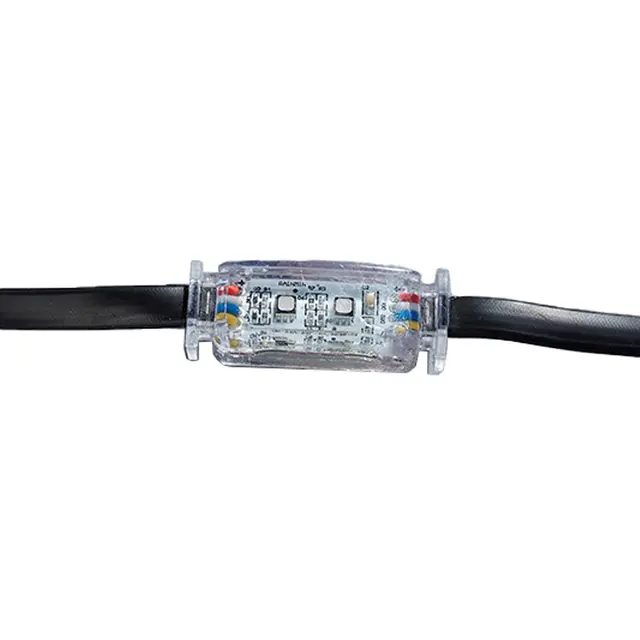
At the core of RGB lighting is the RGB LED light, a staple in both residential and commercial lighting setups. These lights use Light Emitting Diodes (LEDs) to produce light in the primary colors—red, green, and blue. By adjusting the intensity of each color, RGB LED lights can create a virtually infinite range of hues.
Energy Efficiency: RGB LEDs are highly energy-efficient, consuming less power compared to traditional lighting.
Longevity: RGB LED lights have a long lifespan, making them a cost-effective solution over time.
Color Customization: The primary advantage of RGB LED lights is their ability to produce a full spectrum of colors, offering users complete control over the atmosphere they wish to create.
RGB LED lights are commonly used in gaming setups, home theaters, and accent lighting in living spaces. They can be easily integrated with controllers and smart home systems for added convenience and control.
RGB strip lights are one of the most versatile types of RGB lighting available. These strips consist of multiple small RGB LED lights mounted on a flexible backing, making them perfect for outlining furniture, walls, and even ceilings.
Customization: The flexible design allows for easy installation along curves and edges, making them ideal for creative and customized lighting setups.
Variety of Lengths and Sizes: RGB strip lights come in various lengths, allowing users to select the perfect size for their space.
Remote Control and Smart Integration: Many RGB strip lights are compatible with remote controls or smartphone apps, offering easy color and brightness adjustments.
These lights are perfect for accentuating architectural features, creating ambient lighting effects, and even highlighting artwork or television displays.
RGB bulbs are a more traditional form of RGB lighting that fit into standard light sockets. Unlike strip lights or dedicated RGB panels, these bulbs offer the flexibility to be used in any room or fixture that uses regular light bulbs. They typically work by combining the RGB color model with white or warm light options for a more varied lighting experience.
Easy Installation: Simply screw the RGB bulb into a standard socket, and you're ready to go.
Adjustable Colors and White Light: In addition to RGB colors, many RGB bulbs offer adjustable white light settings, making them suitable for everyday lighting as well as mood lighting.
Smart Compatibility: Many modern RGB bulbs come with smart features, such as voice control (via Amazon Alexa or Google Assistant) and app-based control, offering enhanced usability.
RGB bulbs are an excellent choice for general-purpose lighting in living rooms, bedrooms, kitchens, or offices, where you can easily switch between vibrant colors and standard lighting as needed.
RGB wall lights are designed to provide dynamic, ambient lighting that transforms entire rooms. These lights are mounted on the walls and can be used to create a soft, immersive glow that changes the atmosphere of a space. Many RGB wall lights are capable of producing various lighting effects, from solid colors to pulsing patterns, providing both function and style.
Aesthetic Appeal: Wall-mounted RGB lights create a modern, stylish atmosphere by highlighting wall features or architectural elements.
Multi-Functionality: Some RGB wall lights come with built-in motion sensors, color-changing modes, and even sound-responsive features that sync with music or sound.
Easy to Install: These lights can be easily mounted and typically require minimal setup, making them ideal for DIY home improvement projects.
RGB wall lights are perfect for creating a futuristic or immersive experience, especially in living rooms, home theaters, and gaming rooms.
Among the various types of RGB lights, the RGB Pebble Light stands out as a unique and innovative design. These lights are typically shaped like pebbles or smooth stones, offering a natural, organic look while providing vibrant RGB lighting. They are perfect for modern décor, creating both ambient lighting and a stylish focal point.
Organic Aesthetic: The pebble design provides a soft, soothing appearance that complements natural or contemporary décor.
Interactive Lighting: Many RGB pebble lights are touch-sensitive, allowing users to adjust the color and brightness by simply tapping on the light.
Versatile Placement: These lights can be placed on tables, shelves, or even embedded into walls to create a visually striking effect.
The RGB Pebble Light is ideal for those who want a blend of modern technology and artistic design in their lighting choices. It is especially popular in minimalist and Scandinavian-inspired interiors.
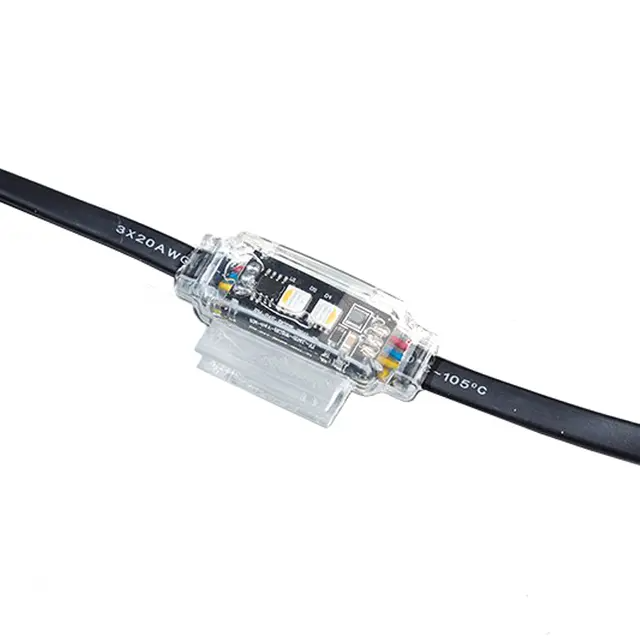
RGB smart lights represent the cutting edge of lighting technology, offering full integration with home automation systems and advanced control options. These lights can be controlled remotely via smartphones, voice assistants, or smart hubs, allowing users to create custom lighting scenes and schedules.
Automation and Scheduling: RGB smart lights can be scheduled to turn on or off at specific times, and even change colors throughout the day.
Voice Control: Integration with virtual assistants like Alexa and Google Assistant allows for hands-free control of your lighting.
Customization: With dedicated apps, users can customize lighting scenes, adjust colors, and even sync lights to music or entertainment.
RGB smart lights are perfect for tech-savvy individuals who want seamless integration into their smart home systems, as well as for those looking to create specific moods or enhance their entertainment experiences.
RGB lighting technology offers an impressive range of lighting solutions, each tailored for different purposes, from creating mood lighting in your living room to enhancing your gaming setup with dynamic colors. Whether you're looking for the flexibility of RGB strip lights, the elegance of RGB bulbs, or the modern design of RGB pebble lights, there is an RGB lighting option for every space and style. Understanding the unique features of each type of RGB light will help you make an informed decision and transform your home or workspace into a colorful, personalized environment.
1. Can RGB lights be used outdoors?
Yes, some RGB lights are designed specifically for outdoor use. RGB strip lights, bulbs, and wall lights are available in weatherproof versions, making them perfect for garden or patio installations.
2. Are RGB lights energy-efficient?
RGB LED lights are highly energy-efficient compared to traditional incandescent bulbs, making them an eco-friendly option for home and commercial lighting.
3. How do RGB Pebble Lights differ from traditional RGB LED lights?
RGB Pebble Lights feature a unique design, often shaped like smooth stones or pebbles, offering an organic aesthetic while providing RGB color customization. Unlike traditional LEDs, they may also include touch-sensitive controls for added interactivity.
4. Can RGB lights sync with music?
Yes, many modern RGB lights, especially RGB smart lights, can be synchronized with music or audio, providing a dynamic lighting experience that responds to sound.
5. What is the lifespan of RGB lights?
RGB LED lights generally have a long lifespan, often lasting over 25,000 to 50,000 hours, depending on the type and quality of the light.
