

Views: 0 Author: Site Editor Publish Time: 2025-10-25 Origin: Site


In today’s competitive business environment, commercial lighting is no longer just a functional necessity—it is a powerful tool that influences productivity, customer experience, operational costs, and brand identity. From offices and retail stores to restaurants and hotels, well-designed lighting can transform a space, making it more efficient, visually appealing, and memorable.
Commercial lighting impacts every aspect of a business environment. It enhances visibility, creates the right ambiance, and supports the tasks and activities within a space. Beyond its visual function, strategic lighting provides measurable benefits, including increased employee productivity, improved customer satisfaction, energy savings, brand reinforcement, and regulatory compliance.
One of the most significant benefits of commercial lighting is its impact on employee productivity. In office environments, proper lighting design directly affects concentration, comfort, and overall work performance.
Adequate illumination reduces eye strain, headaches, and fatigue.
Balanced lighting prevents harsh shadows and glare on computer screens, which can hinder performance.
Well-lit environments promote alertness and reduce mental fatigue over long working hours.
Warm light creates a cozy and relaxing atmosphere, suitable for break areas or lounges.
Neutral white light provides a balanced environment that supports clarity and focus.
Cool white light enhances concentration and visual acuity for detailed tasks.
Adjustable intensity allows employees to customize lighting for their comfort, further boosting productivity.
Ambient lighting provides general illumination for overall visibility.
Task lighting targets specific areas, such as desks or meeting spaces, enabling detailed work without straining the eyes.
Integrating both lighting types ensures a comfortable and efficient workspace that supports various activities.
By prioritizing well-designed commercial lighting, businesses can create workspaces where employees feel comfortable, focused, and motivated, ultimately driving higher productivity and efficiency.
Commercial lighting plays a crucial role in shaping how customers perceive a business. In retail and hospitality environments, lighting can influence emotions, highlight products, and guide behavior.
Bright, inviting lighting draws customers into stores and dining areas.
Carefully placed accent lighting highlights key products or menu items, encouraging purchases.
Dynamic lighting can create memorable experiences, such as illuminated displays or artistic installations.
Accent lighting emphasizes architectural details, focal points, or featured merchandise.
Lighting layers, including ambient, task, and decorative lighting, help create depth and interest.
Restaurants can use dimmable or color-adjustable lighting to establish a welcoming and intimate atmosphere.
Warm, soft lighting encourages relaxation and longer stays in hospitality settings.
Bright, focused lighting in retail spaces draws attention to products and promotions.
Visual cues provided by lighting influence customer moods and purchasing behavior, enhancing the likelihood of sales.
By leveraging commercial lighting strategically, businesses can create immersive and engaging experiences that leave a lasting impression on customers.
Another major advantage of commercial lighting is its ability to reduce energy consumption and operational expenses. Modern lighting technologies, such as LEDs and smart control systems, offer significant efficiency improvements over traditional lighting.
LEDs consume significantly less energy than fluorescent or incandescent lights.
Longer lifespan reduces the frequency of replacements, saving on maintenance costs.
Smart controls, including dimmers, motion sensors, and automated schedules, optimize energy use based on occupancy and daylight.
High-quality commercial lighting systems require fewer replacements over time.
Reduced maintenance translates to lower labor costs and fewer interruptions to business operations.
Businesses can achieve substantial savings through energy-efficient lighting solutions.
Case studies show that LED retrofits can reduce lighting energy consumption by 50–70%, often paying for themselves within a few years.
Investing in energy-efficient commercial lighting not only supports sustainability goals but also improves the business’s bottom line.
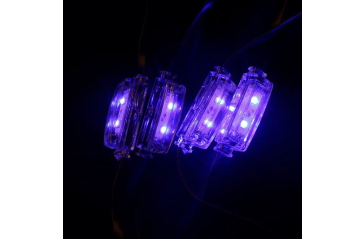
Beyond functionality, commercial lighting significantly contributes to the visual identity and style of a business. The right lighting can highlight architectural features, reinforce brand identity, and create a memorable atmosphere.
Lighting color, intensity, and fixture design can convey a brand’s personality.
Luxury brands may use elegant chandeliers or sculptural LED installations, while modern brands may favor minimalist, sleek designs.
Consistent lighting design across all areas of a commercial space reinforces brand recognition.
Commercial lighting complements furniture, décor, and architectural features.
Creative lighting techniques, such as uplighting or wall washing, enhance textures and materials.
Layered lighting ensures both functionality and visual appeal, creating a cohesive design.
Restaurants, hotels, and retail spaces can use lighting to establish signature experiences.
Dynamic or color-changing lighting installations can engage customers and leave lasting impressions.
Well-designed commercial lighting enhances aesthetics, supports branding efforts, and elevates the overall experience for visitors and customers.
Modern commercial lighting systems are designed to be flexible and scalable, accommodating changes in space usage, seasonal requirements, or business growth.
Dimmable and tunable lighting allows adjustment of brightness and color temperature to suit different activities.
Smart lighting systems enable automated changes based on time of day, occupancy, or special events.
Retail spaces can adjust lighting for seasonal promotions or product launches.
Restaurants and hotels can create varied atmospheres for breakfast, lunch, dinner, or events.
Offices can modify lighting based on work schedules or specific tasks.
Modular lighting systems allow easy addition of new fixtures when expanding or redesigning spaces.
Flexible commercial lighting solutions adapt to evolving business needs without extensive renovations.
Flexibility and scalability ensure that commercial lighting remains effective and relevant as business requirements change over time.
Commercial lighting is not only about aesthetics and efficiency—it also ensures safety for employees and customers while meeting regulatory standards.
Adequate illumination prevents accidents and improves visibility in work and public areas.
Properly lit exits, corridors, and staircases facilitate emergency evacuation.
Emergency and backup lighting systems maintain safety during power outages.
Commercial lighting must adhere to local building codes and lighting standards.
Proper lighting ensures businesses meet occupational health and safety requirements.
Compliance reduces liability and protects both employees and customers.
By integrating safety and regulatory considerations, businesses create secure environments that protect people and support operational continuity.
The benefits of commercial lighting extend far beyond simple illumination. Well-designed lighting improves employee productivity, enhances customer experience, reduces energy costs, reinforces brand identity, offers flexibility, and ensures compliance with safety standards.
Investing in high-quality commercial lighting solutions, such as RainMin LED systems, allows businesses to achieve these advantages while maintaining energy efficiency and design excellence. From offices and retail spaces to restaurants and hotels, RainMin provides tailored solutions to optimize lighting for every commercial environment.
For businesses looking to upgrade or optimize their lighting, RainMin offers innovative products, expert guidance, and comprehensive support. Explore their range of commercial lighting solutions and discover how strategic lighting can transform your space today by visiting www.rainmin.com.
