

Views: 216 Author: Site Editor Publish Time: 2025-12-10 Origin: Site


The evolution of digital technology has led to numerous innovations in how we experience and interact with visual media. One such innovation is the development of RGB pixel lights, which differ significantly from traditional standard pixels. RGB Pixel Lights are gaining popularity in a variety of industries, from digital signage to entertainment and home decor. Understanding how RGB Pixel Lights differ from standard pixels is essential for making informed decisions, whether you are designing a new display system or exploring new lighting techniques. This article will explore the distinct characteristics of RGB Pixel Lights compared to standard pixels, shedding light on their advantages, practical uses, and the technology that drives them.
RGB Pixel Lights are a type of advanced lighting system that utilizes red, green, and blue (RGB) LEDs to create a full spectrum of colors. Unlike standard pixels, which typically display one color per pixel, RGB pixel lights can emit a wide range of colors through the combination of the three base colors: red, green, and blue. These RGB lights are often individually controllable, allowing for more dynamic and vibrant displays compared to traditional lighting systems.
RGB Pixel Lights can be configured in arrays or grids, enabling large-scale visual effects. This technology is commonly used in architectural lighting, LED screens, and digital art displays, offering greater control over color blending, brightness, and effects.
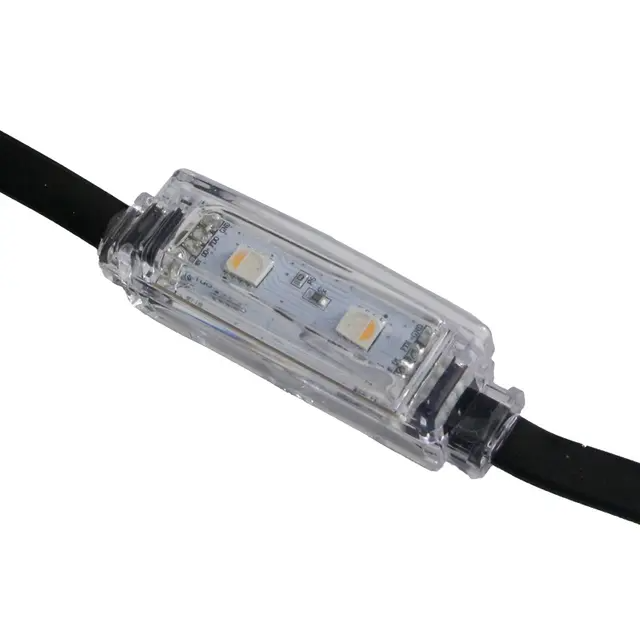
RGB Pixel Lights work by using an array of tiny RGB LEDs that can each emit one of three colors: red, green, or blue. By varying the intensity of each color, it’s possible to create millions of colors, allowing for smooth transitions and highly detailed images or effects. These lights are typically controlled by a microcontroller or software, which adjusts the brightness of each RGB LED to create the desired color output.
The modular nature of RGB Pixel Lights also allows them to be arranged in grids or strips, which can then be programmed to display intricate patterns, moving visuals, or static images. This makes them ideal for use in digital signage, art installations, and entertainment venues.
Standard pixels are the basic building blocks of digital displays, such as monitors, televisions, and digital signage. In a traditional digital display, each pixel is typically made up of a red, green, and blue sub-pixel. These three sub-pixels combine to form a full-color display, though each individual pixel is not capable of being controlled independently. Instead, pixels work together to form an image by displaying different colors at a fixed resolution.
Each pixel on a standard display has a fixed color value based on its combination of red, green, and blue sub-pixels, but unlike RGB Pixel Lights, standard pixels are generally not individually addressable or programmable. The control of the pixels is usually done on a larger scale, meaning they display a more uniform color set based on the input from the device (e.g., a computer, television, or gaming console).
Standard pixels function by using sub-pixels of red, green, and blue to create various color combinations. When light passes through a standard pixel, it’s emitted from these sub-pixels in different proportions to generate the full spectrum of colors. However, the flexibility of standard pixels is limited by the display technology. The pixel itself cannot be individually controlled for different outputs—rather, the entire display functions as a unified system.
This difference in flexibility makes standard pixels suitable for static images or simple color displays, but they lack the level of control and dynamic effects that RGB Pixel Lights offer.
One of the most significant differences between RGB Pixel Lights and standard pixels is their ability to represent color. Standard pixels combine red, green, and blue sub-pixels to produce a color by varying the intensity of each sub-pixel. However, these sub-pixels are generally not addressable independently.
On the other hand, RGB Pixel Lights offer more precise control over each pixel. Each individual RGB LED in a pixel can be independently controlled to produce any color at any brightness level, making RGB Pixel Lights superior in terms of color accuracy, brightness control, and dynamic visual effects.
| Feature | RGB Pixel Lights | Standard Pixels |
|---|---|---|
| Color Control | Each pixel independently controllable | Fixed color based on sub-pixel combination |
| Brightness Control | Adjustable for each RGB LED | Fixed brightness for the entire pixel |
| Flexibility | High flexibility in creating dynamic effects | Limited to static or basic images |
RGB Pixel Lights offer far more flexibility compared to standard pixels. Standard pixels are designed to produce fixed color combinations across the screen, which limits their ability to create complex, dynamic effects. In contrast, RGB Pixel Lights are often used in customizable setups where each light can be controlled individually to create intricate patterns and animations.
This level of flexibility is crucial for applications that require sophisticated visual effects, such as digital billboards, interactive art installations, or live event lighting. By controlling each pixel separately, designers can craft detailed visuals that respond to music, movement, or user interaction.
RGB Pixel Lights excel in environments where high-quality, dynamic visuals are needed, while standard pixels are typically used for more straightforward displays. RGB Pixel Lights are ideal for digital signage, stage lighting, and architectural displays, as they allow for customizable effects and an engaging user experience. These lights can be used to create immersive environments, such as at concerts, in theme parks, or on large-scale outdoor displays.
Standard pixels, by contrast, are commonly found in traditional monitors, televisions, and other devices where the focus is on displaying images or videos without requiring sophisticated lighting effects.
The ability of RGB Pixel Lights to produce a wide spectrum of colors and brightness levels makes them the ideal choice for applications where visual impact is critical. Their independent control of each LED results in more vibrant, richer displays. This is particularly useful for outdoor and indoor advertising, art installations, and decorative lighting.
Because RGB Pixel Lights can be programmed to display complex animations, transitions, and even interactive content, they are highly versatile. Designers can use RGB Pixel Lights to create custom light shows, responsive designs, or even integrate them with sensors and controllers for dynamic user interaction.
Though RGB Pixel Lights may have a higher upfront cost than standard pixels, they can offer long-term energy efficiency and durability. Many RGB LED systems are designed to be more energy-efficient than traditional incandescent or fluorescent lights, resulting in cost savings over time. Moreover, LED technology tends to have a longer lifespan than standard display technologies.
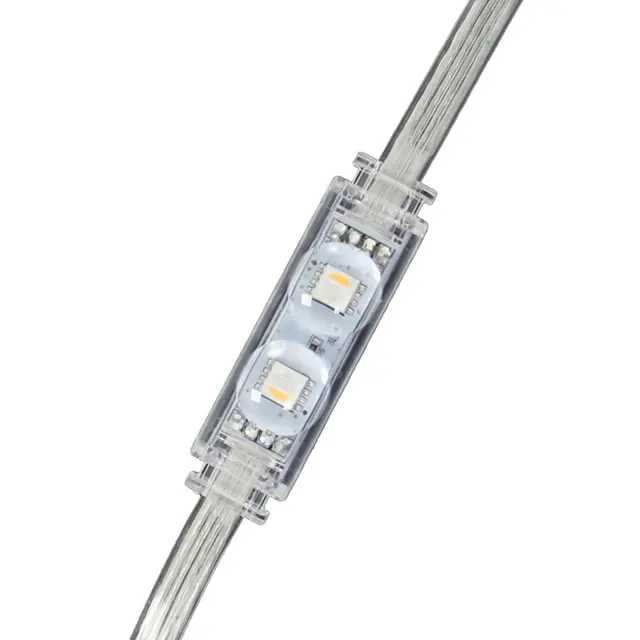
RGB Pixel Lights are revolutionizing digital displays, especially in industries like advertising and entertainment. With their ability to deliver bright, colorful, and dynamic visuals, these lights are used in LED billboards, large video screens, and digital signage to grab attention and engage audiences.
RGB Pixel Lights are also widely used in architectural lighting and decorative design. Whether it’s a home, business, or public space, RGB Pixel Lights can be programmed to create stunning visual effects that can transform the atmosphere. From color-changing wall lights to intricate light sculptures, the possibilities are endless.
While RGB Pixel Lights offer many benefits, they do come with some technical limitations. For instance, complex setups can require specialized controllers and software to manage the large number of pixels. Additionally, they may require more power and can generate more heat compared to traditional lighting systems.
RGB Pixel Lights tend to be more expensive than standard pixels due to the advanced technology and individual control they offer. Additionally, the installation and maintenance costs for large-scale systems can be significant, making them less accessible for smaller projects or personal use.
RGB Pixel Lights offer a remarkable upgrade over standard pixels, providing enhanced color control, flexibility, and the ability to create dynamic, engaging visual displays. Their versatility makes them ideal for use in digital signage, lighting design, and entertainment, where traditional pixels fall short. While they come with higher costs and technical complexity, the advantages they offer in terms of visual impact and creative control make them a worthwhile investment for many applications.
Q1: Are RGB Pixel Lights suitable for home use?
Yes, RGB Pixel Lights can be used in home lighting for creating customized lighting effects, mood lighting, and decor enhancements.
Q2: How do I control RGB Pixel Lights?
RGB Pixel Lights are typically controlled via a microcontroller or specialized software, which allows you to adjust color, brightness, and effects.
Q3: Can I use RGB Pixel Lights for outdoor signage?
Yes, RGB Pixel Lights are often used in large-scale outdoor displays, such as billboards and digital signage, because of their vibrant color output and durability.
Q4: Are RGB Pixel Lights energy-efficient?
Yes, LED-based RGB Pixel Lights are generally more energy-efficient than traditional lighting solutions, making them cost-effective in the long run.
