

Views: 224 Author: Site Editor Publish Time: 2025-12-03 Origin: Site


When it comes to designing commercial lighting, there’s more than just picking out a few light fixtures. A successful commercial lighting design impacts not only the aesthetics of the space but also the functionality, mood, and energy efficiency of the environment. Whether you're outfitting a retail store, office space, or industrial facility, getting the lighting right is crucial for productivity, customer experience, and cost savings.
This guide delves into commercial lighting design tips that help you make informed decisions when planning and implementing lighting systems. By understanding the core principles of lighting design, the specific needs of different environments, and the latest in energy-saving technologies, you can create a space that is not only well-lit but also optimized for your business’s goals.
Commercial lighting is an integral part of any business environment. It affects productivity, creates the right atmosphere, and enhances the aesthetic appeal of a space. But it’s not just about illuminating the area; commercial lighting design involves strategic planning to ensure the lighting suits the purpose of the space and the people within it.
Effective commercial lighting provides a balance between brightness, energy efficiency, and the overall ambiance. Proper lighting influences how customers perceive a store, how employees feel in the workplace, and even the safety and functionality of a space. Whether you're upgrading an existing setup or planning a new installation, understanding these key factors is the first step toward a successful lighting design.

Energy efficiency is one of the most critical considerations when designing commercial lighting. Lighting often accounts for a significant portion of a building's energy consumption. By choosing energy-efficient lighting solutions, businesses can drastically reduce their utility bills while contributing to environmental sustainability.
LED lighting is the most popular choice for commercial spaces due to its long lifespan and low energy consumption. LED fixtures can use up to 75% less energy than traditional incandescent bulbs.
Smart lighting systems can further enhance energy savings by automatically adjusting light levels based on time of day or occupancy, reducing unnecessary power usage.
Energy-Efficient Lighting Options:
| Lighting Type | Energy Efficiency (%) | Lifespan (hours) | Typical Use Case |
|---|---|---|---|
| LED | 75-80% | 25,000-50,000 | Office, retail, industrial |
| Compact Fluorescent (CFL) | 65-70% | 8,000-15,000 | Retail, hospitality |
| Halogen | 20-30% | 2,000-3,000 | High-end retail, accent lighting |
The color temperature of a light source significantly influences the mood and effectiveness of a space. Measured in Kelvins (K), the color temperature impacts everything from employee focus to customer perception.
Warm light (2700K-3000K) creates a welcoming, cozy environment, making it ideal for restaurants, cafes, and retail spaces where comfort is key.
Neutral white light (3500K-4100K) is excellent for office spaces and educational institutions, offering a balance between warmth and clarity.
Cool white light (5000K-6500K) is more suitable for industrial settings or work environments requiring high concentration, as it mimics daylight and enhances alertness.
When selecting light fixtures for your commercial space, it's essential to match the color temperature with the functions of the space to enhance comfort and productivity.
In retail environments, lighting plays a pivotal role in enhancing product visibility, highlighting store displays, and creating an inviting atmosphere for customers. The right lighting can increase sales, attract foot traffic, and influence customer behavior.
Accent lighting is used to highlight specific products or sections of the store.
Ambient lighting should be evenly distributed to create a comfortable shopping environment.
Task lighting may be required in fitting rooms or checkout counters.
A common strategy in retail lighting is layering: using a mix of overhead lighting, accent lights, and task lighting to create a balanced environment.
In office settings, lighting must be conducive to productivity. Proper lighting reduces eye strain, increases focus, and fosters a healthier work environment.
General lighting (ambient light) should be bright enough for the entire office but not overpowering.
Task lighting helps employees focus on specific work areas, such as desks or meeting rooms.
Indirect lighting minimizes glare on computer screens and reduces fatigue.
Office spaces are increasingly embracing smart lighting systems that adjust brightness based on the time of day or occupancy levels. Such systems ensure that the lighting is always at optimal levels without wasting energy.
Industrial environments require robust and efficient lighting that can handle large areas and specific work tasks. Safety and visibility are the primary concerns in these spaces.
High-bay lights are commonly used in large warehouse and factory settings to provide broad, uniform illumination.
Explosion-proof lights are necessary in hazardous environments where combustible materials are present.
Task lighting is often employed in areas requiring precision work, such as assembly lines or labs.
Industrial lighting is often more focused on function rather than aesthetics, though energy efficiency remains a key consideration.
The rise of smart lighting systems is revolutionizing the way businesses approach lighting design. These systems are powered by advanced sensors, automation, and IoT technology to improve energy efficiency and user experience.
Automated lighting controls allow businesses to adjust lighting based on occupancy, time of day, or ambient light levels.
Dimming capabilities help conserve energy by reducing light intensity when full brightness isn’t necessary.
Motion sensors can turn lights on or off based on room occupancy, reducing unnecessary energy use.
Integrating smart lighting into commercial designs not only boosts energy savings but also enhances the comfort and convenience of the space.
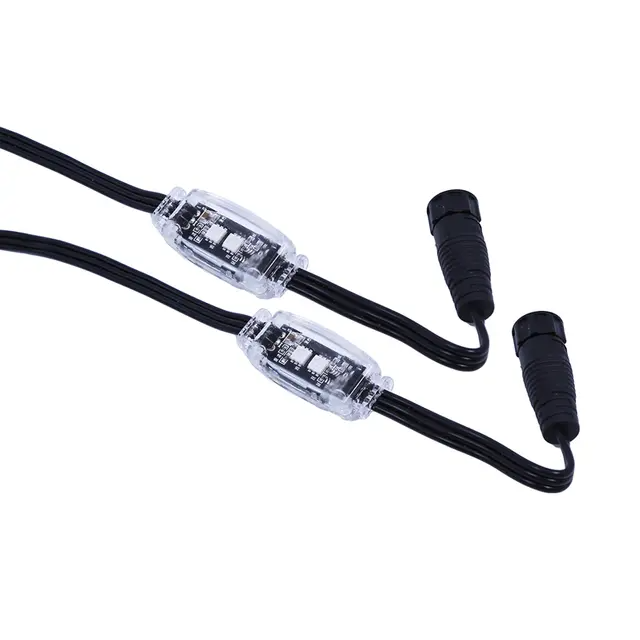
When designing the layout for your commercial lighting, it’s essential to ensure that the lighting is both functional and aesthetically pleasing. Below are some tips for creating an effective lighting layout:
Plan for Zones: Identify different zones within the space that require varying levels of lighting. For instance, break rooms or workstations may need softer lighting, while meeting rooms or entryways may require brighter, more focused lighting.
Avoid Glare: Proper placement of lights ensures that they do not cause discomfort or glare. Adjustable fixtures allow you to direct light exactly where it's needed.
Consider Light Layering: Layer your lighting with ambient, task, and accent lights to create depth and flexibility in your space.
Even the most well-planned commercial lighting designs can face challenges. Some of the most common issues include:
Uneven lighting: This can occur if light sources are placed too far apart or in the wrong configuration. It’s crucial to ensure that lighting is balanced across the space.
Energy wastage: Overlighting or inefficient fixtures can result in unnecessary energy consumption. It’s important to select energy-efficient bulbs and employ smart controls to prevent wastage.
Maintenance: High ceilings, hard-to-reach fixtures, and frequent bulb replacements can pose maintenance challenges. Choosing long-lasting, low-maintenance solutions like LEDs can alleviate these issues.
Addressing these problems requires regular assessments and adjustments to ensure that the lighting system remains efficient and effective.
Commercial lighting design is a vital component of any business. From enhancing customer experiences in retail spaces to improving employee productivity in offices, the right lighting can have a profound impact. By understanding the principles of energy efficiency, choosing the appropriate lighting for different spaces, and leveraging new technologies like smart lighting, you can create environments that are functional, aesthetically pleasing, and cost-effective.
Whether you’re planning a new build or upgrading an existing setup, consider these commercial lighting tips to guide your decisions and ensure that your lighting system serves both your operational and aesthetic needs.
1. What is the most energy-efficient commercial lighting option?
LED lighting is the most energy-efficient option for commercial spaces, offering up to 75% energy savings compared to traditional incandescent bulbs.
2. How can I improve the lighting in my office?
In offices, focus on providing a mix of general, task, and accent lighting. Smart lighting systems with dimming capabilities and motion sensors can help save energy and improve comfort.
3. Why is lighting important in retail spaces?
Lighting in retail spaces influences customer behavior, highlights products, and creates the right atmosphere. Proper lighting can increase foot traffic and sales.
4. Can I install smart lighting in my commercial space?
Yes, smart lighting systems are suitable for most commercial spaces. They can automate lighting based on occupancy or time of day, offering both energy savings and convenience.
